[News] AsIA Humanities Dissemination Center Concludes the 2025 Fall Semester Mega-Asia Regional Expert Program
[News] AsIA Humanities Dissemination Center Concludes the 2025 Fall Semester Mega-Asia Regional Expert Program
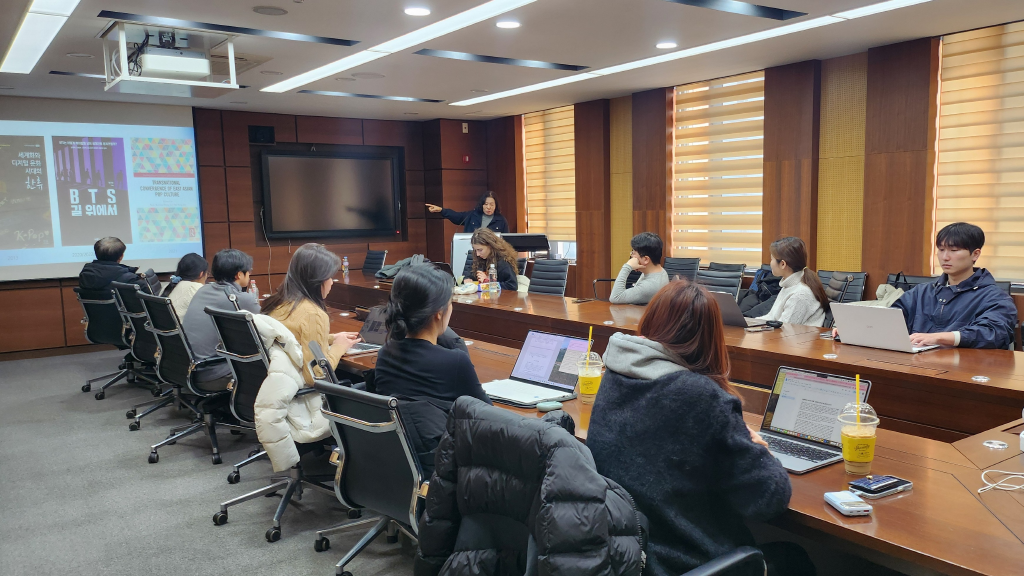
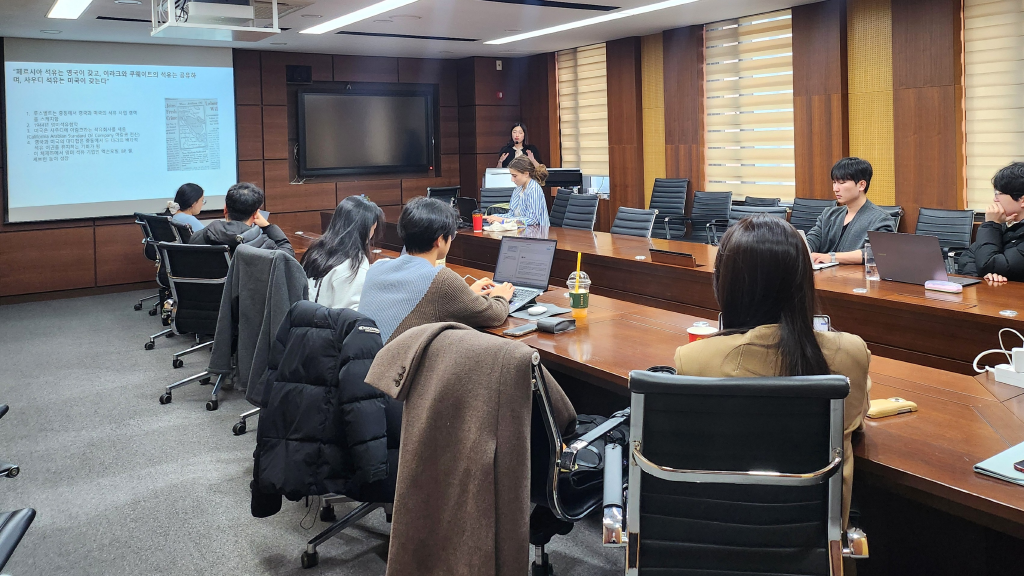
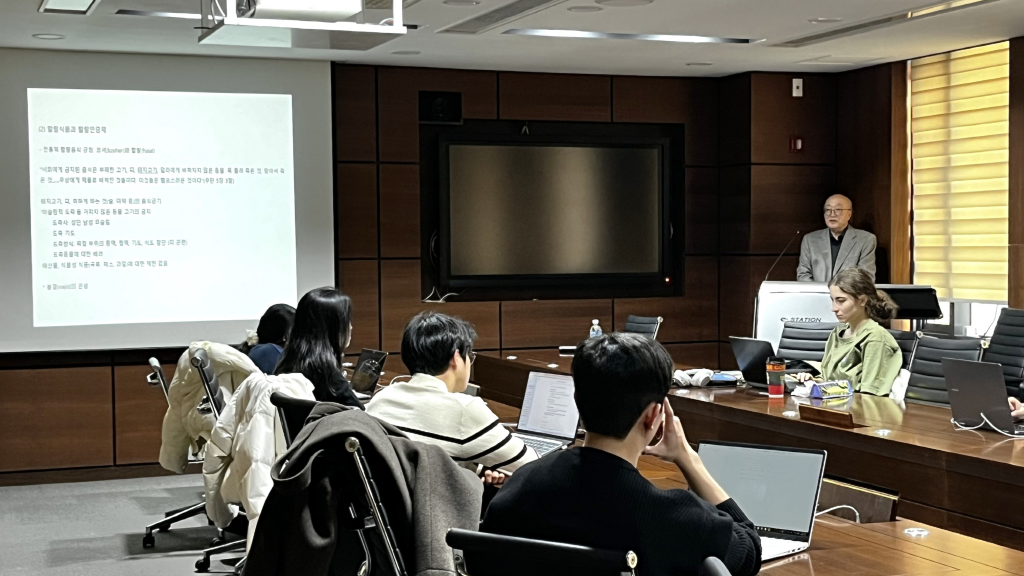
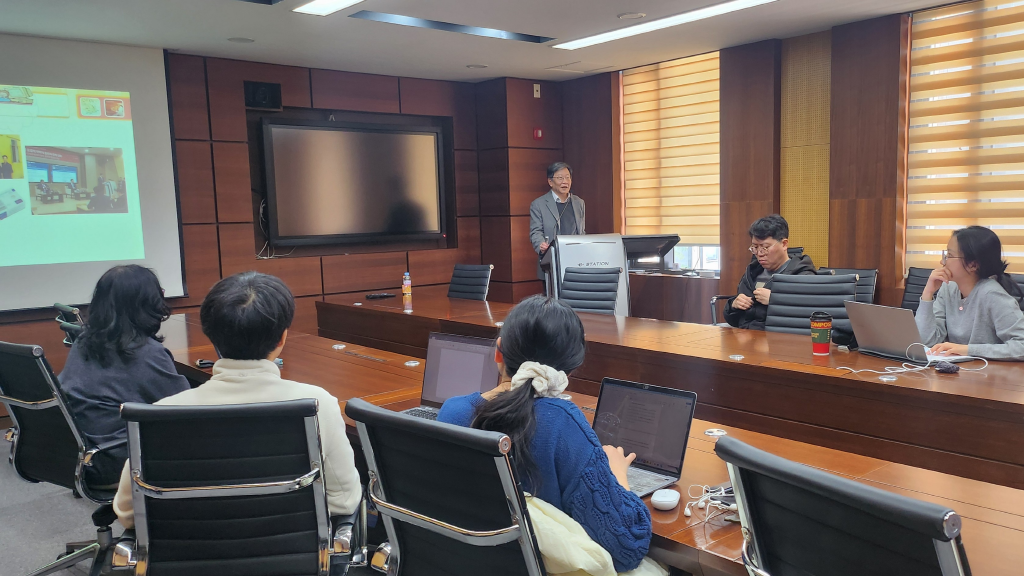
The 2025 Mega-Asia Regional Expert Program, jointly hosted by the AsIA Humanities Dissemination Center of the HK⁺ Mega-Asia Research Project at SNUAC and the Department of Human Resources Development, concluded on January 30, 2026. The program, designed for the 22nd cohort of research fellows, was held every Friday at 2:00 PM at SNUAC from September 12, 2025 to January 30, 2026.
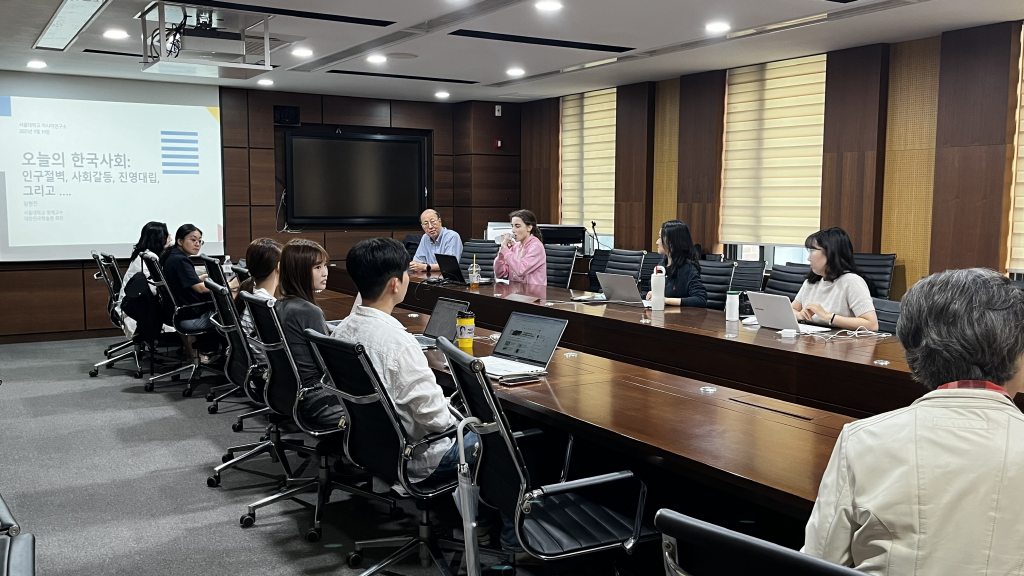
The 2025 fall semester was organized under the theme “Asian Studies through the Integration of Themes and Regions” and consisted of 16 lectures centered on key topics across different Asian regions. The first lecture, held on September 12, was delivered by Jooyong Park, Director of Human Resources Development and Professor of Psychology, who introduced the fundamentals of academic writing for research fellows under the theme “Writing Workshop for Short Research Papers.” On September 19, founding director and Director of the Civil Society and NGOs Program Hyun-Chin Lim delivered a lecture titled “Contemporary Korea: Demographic Decline, Social Conflict, and Political Polarization,” offering an in-depth analysis of current challenges facing Korean society.
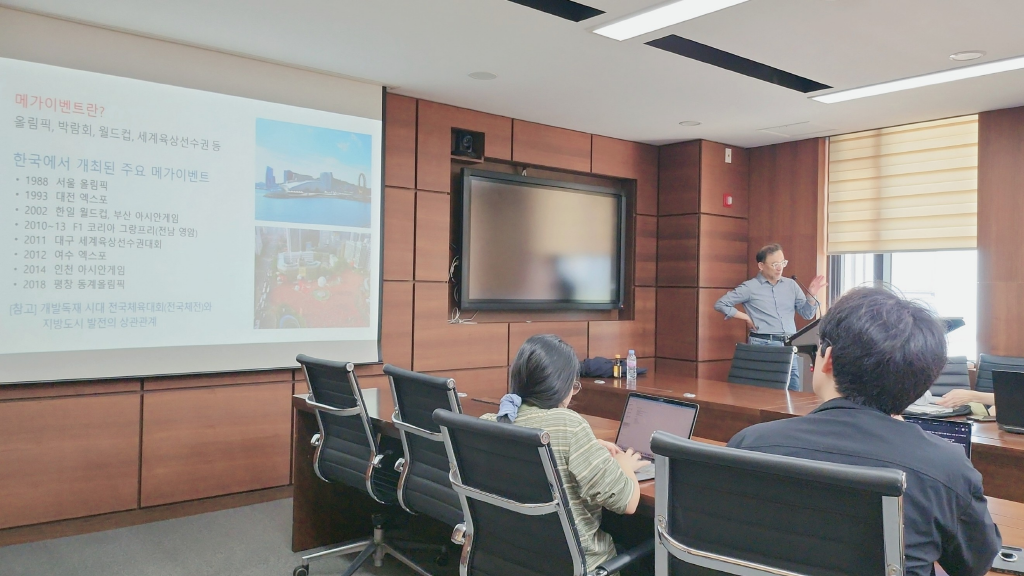
Subsequent lectures explored the historical and social contexts of Mega-Asia across multiple regions and themes. On September 26, Baek Yung Kim, Director of Academic Affairs and Professor of Sociology, lectured on “East Asian Developmentalism and Mega-Events.” On October 17, Oh Young Kwon, Director of the Civilization Exchange Program and Professor of Korean History, presented “The Asian World Connected by the Sea.” On October 24, Beomshik Shin, Vice Director of SNUAC and Professor of Political Science and International Relations, delivered a lecture titled “Mega-Asia and Asias,” exploring the expanded possibilities of regional conceptualization.
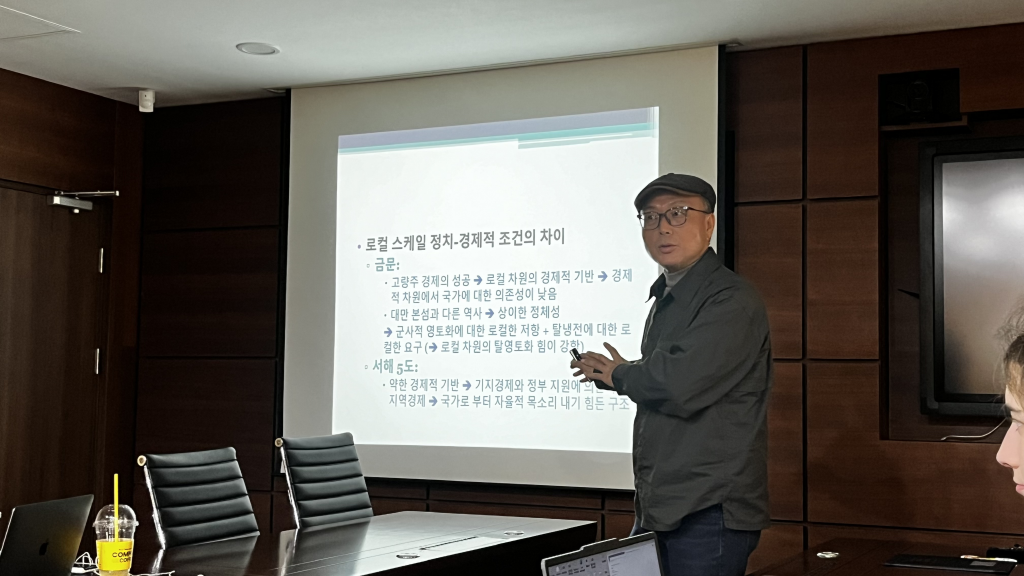
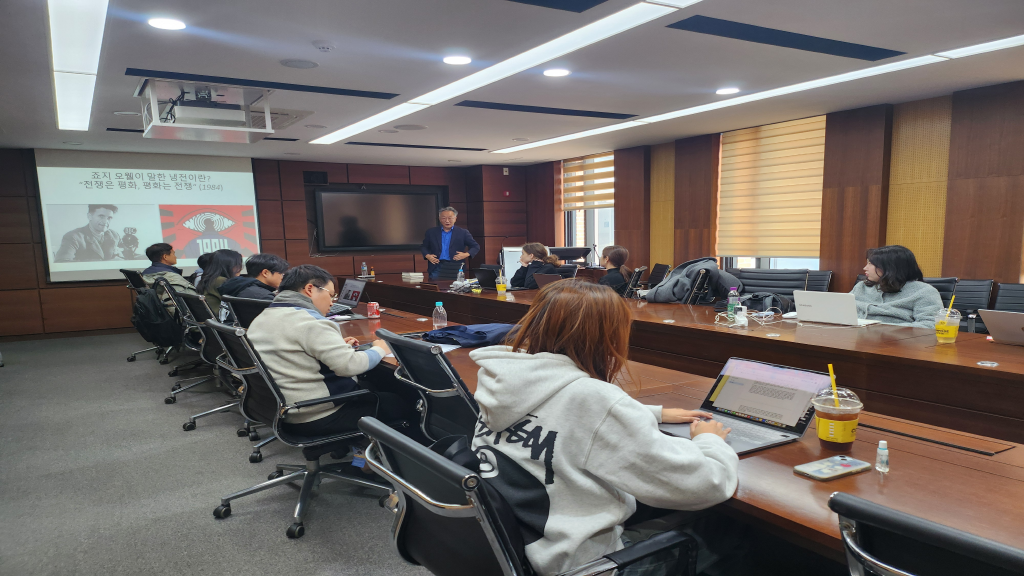
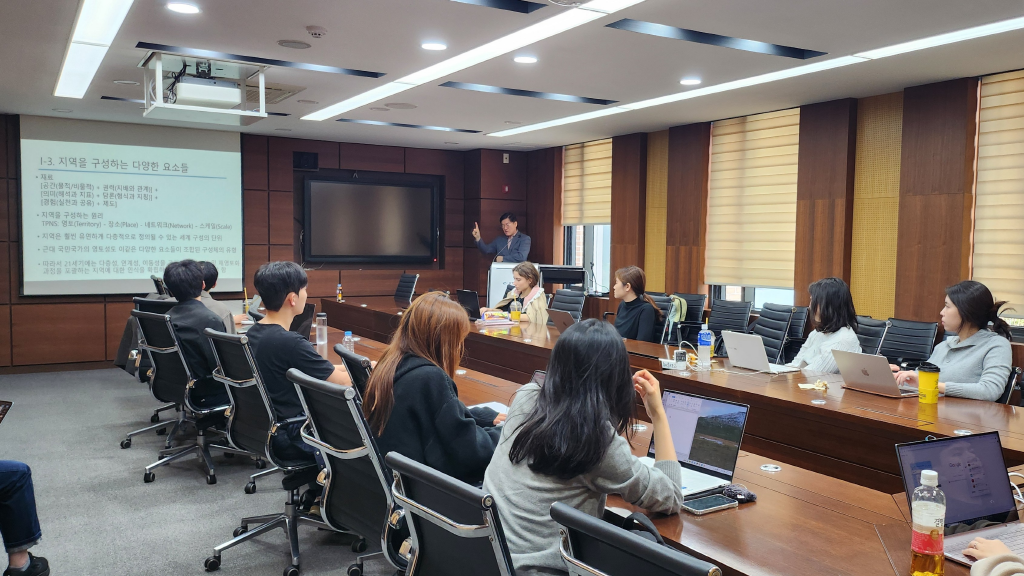
In November, lectures focused on structural and historical dynamics surrounding East Asia, including the Cold War and post-Cold War order, border regions, geopolitics, and knowledge exchange. On November 7, Heonik Kwon, Director of International Affairs and HK Professor, lectured on “The Cold War and Post-Cold War in Asia.” On November 14, Bae-Gyoon Park, Director of the Asia Urban and Social Studies Center and Professor of Geography Education, delivered a lecture titled “Geopolitics and Geoeconomics of East Asian Borderlands from a Post-Territorial Perspective.” On November 21, Ho Kim, Head of the AsIA Humanities Dissemination Center and HK Professor, presented “Learning from the Peripheries of Joseon: Knowledge Exchange in East Asia.”
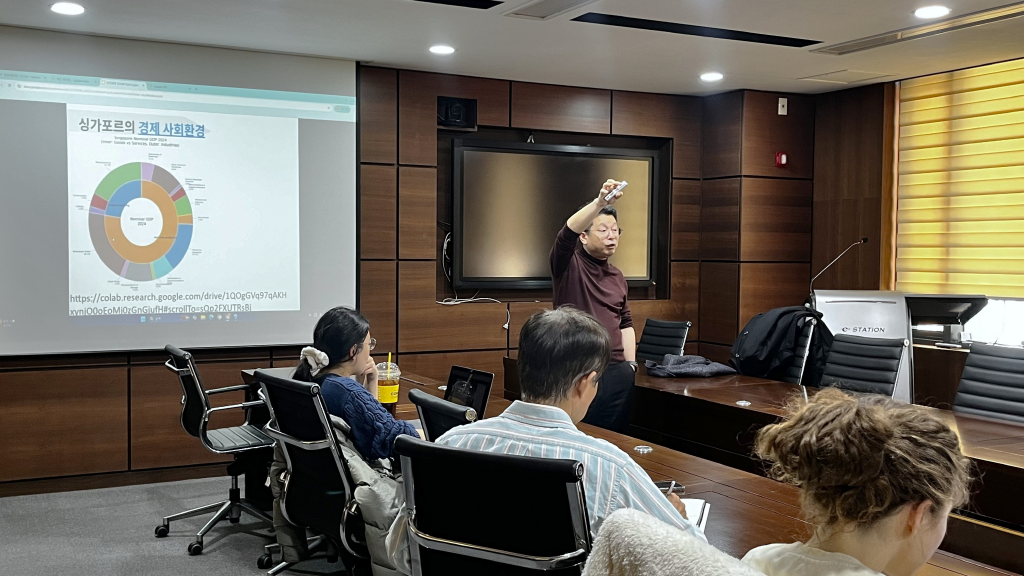
In December, regional studies focused on Southeast Asia and West Asia. On November 28, Kilkon Ko, Director of the Asia Regional Information Center and Professor at the Graduate School of Public Administration, lectured on “Political and Administrative Systems through the Value Framework of Singapore.” On December 5, Suhong Chae, Director of SNUAC and Professor of Anthropology, delivered a lecture titled “Strikes and Cultural Politics in Post-Socialist Vietnam.” On December 12, Myungseok Oh, Chair of the Asia Review Editorial Board and Emeritus Professor of Anthropology, lectured on “Muslims in Southeast Asia.” On December 19, Soyeon Ahn, Joint Research Fellow at the West Asia Center, presented “The Past, Present, and Future of West Asia through the Lens of Oil.”
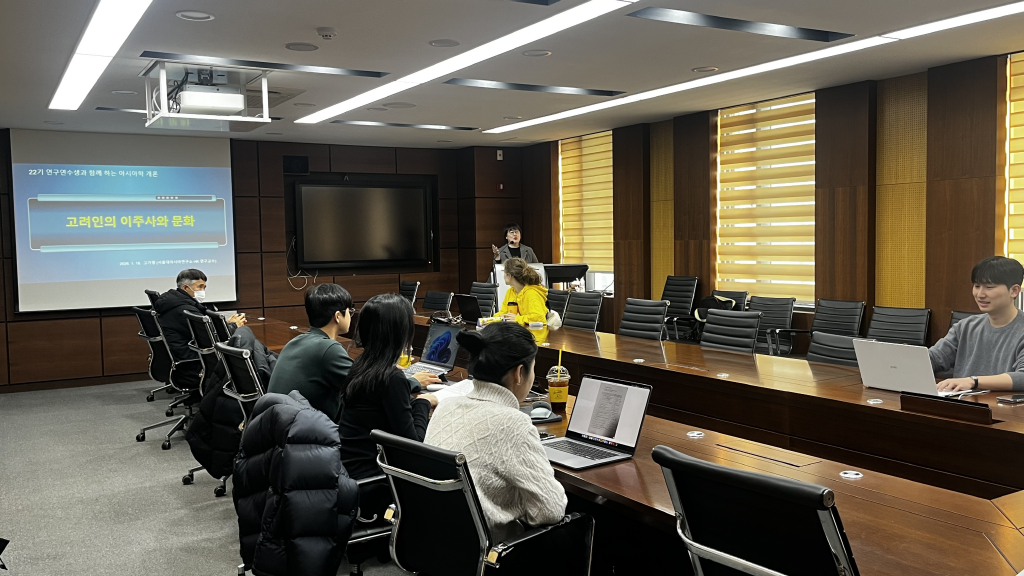
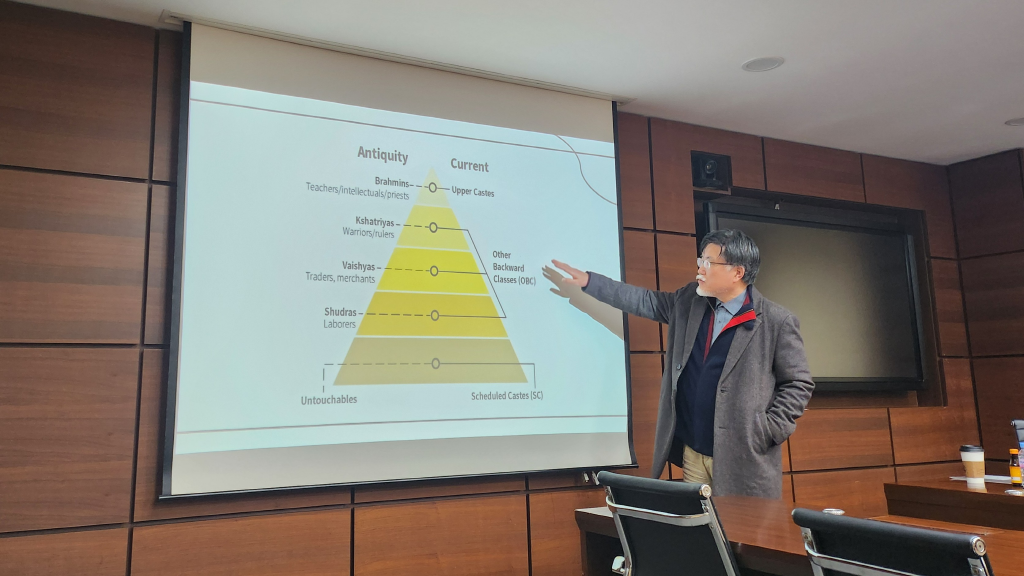
In January 2026, lectures examined cultural and structural dynamics in contemporary Asian societies. On January 2, Seok-Kyeong Hong, Director of the Center for Hallyu Studies and Professor of Communication, delivered “Hallyu Studies: Issues and Perspectives.” On January 9, Sung Yong Kang, Director of the Center for South Asian Studies and HK Professor at the Institute of Humanities, lectured on “Caste Politics and Structural Understanding of Indian Society.” On January 16, Kayoung Ko, HK Research Professor at the Central Asia Center, presented “Migration History and Culture of Koryo-saram in Central Asia.” The program concluded on January 30 with a lecture by Hyunjoo Jung, Director of the Asia Migration Center and Professor at the Graduate School of Environmental Studies, titled “Mega-Asia Within Us, Multicultural Spaces: Reconstructing a New Asia through Migration.”
This regional expert program went beyond individual regional studies to provide participants with an integrated understanding of historical experiences, social structures, and contemporary issues across Asia. Through this program, research fellows were able to explore research methods and future directions in regional studies from the expanded perspective of Mega-Asia.